Starting Over in Life at 50: Why It’s Not Too Late (and Often the Best Time) in 2026
Published: 19/12/2025
If you’re reading this with a heavy feeling in your chest, you’re not alone. At this stage of life, “starting over” rarely arrives as a neat idea. It often shows up after a layoff you didn’t see coming, a health scare that recalibrates everything, a divorce or breakup that shakes your identity, or the slow burn of burnout that finally becomes impossible to ignore.
And the thought that follows can be brutal: Is it too late for me?
Here is the truth most people don’t say clearly enough: starting over in life at 50 is not a sign you failed. It’s a sign you’re awake. You’re noticing what no longer fits—your work, your routines, your relationships, your energy—and you’re ready to rebuild with intention.
This is not about blowing up your life or pretending the hard parts don’t exist. It’s about a renovation: keeping what’s strong, removing what’s draining, and designing a second act that reflects who you are now—wiser, clearer, and more selective with your time.
In this guide, you’ll get a grounded path forward: mindset shifts that actually hold up in real life, practical tools that reduce overwhelm, and realistic options for career, lifestyle, and purpose in 2026. You won’t need a grand plan today. You’ll only need one small, intentional step—the kind that builds momentum without demanding perfection.
Let’s start there.
Why 50+ Is a Strategic Advantage in 2026
If you’ve been quietly telling yourself that age has put you at a disadvantage, that belief makes sense. The cultural narrative has been loud for years: younger is faster, cheaper, more adaptable. By the time you reach your 50s, it can feel like the window has closed.
But that story is outdated—and in 2026, it’s increasingly wrong.
What often gets overlooked is this: experience has compound value. Decades of problem-solving, navigating people, handling setbacks, and making judgment calls create a kind of intelligence that can’t be rushed or automated. In a world shaped by AI, automation, and constant change, those human skills—discernment, emotional regulation, context, and perspective—matter more, not less.
Many people in their 50s also have something they didn’t have earlier: clarity. You know what drains you. You know what you won’t tolerate anymore. You’re far less likely to chase status for its own sake, which makes your decisions smarter and more sustainable.
There’s also a practical reality worth naming. People who start new ventures or redesign their careers later in life often do so more cautiously and intentionally. They test ideas. They manage risk better. They build around real life—health, family, energy—not fantasy schedules. That’s not a weakness; it’s strategic maturity.
Finally, there’s the longevity shift. Living longer doesn’t automatically mean living better. What improves quality of life is purpose—having a reason to get up, contribute, and stay engaged. Many people only begin to ask the right questions about meaning after 50, once external pressures loosen and internal priorities sharpen.
So if it feels like something inside you is nudging for change, consider this reframe: you’re not late. You’re positioned. Your age is not the obstacle—it’s the foundation.
Why So Many People Feel the Urge to Start Over at 50
The desire to start over rarely comes out of nowhere. It usually arrives after something cracks the surface of a life that looked “fine” from the outside.
For some, it’s a job loss or forced retirement that strips away routine, identity, and certainty all at once. For others, it’s a health scare—your own or someone you love—that suddenly makes time feel more finite. Divorce, grief, caregiving, an empty nest, or years of quiet burnout can all lead to the same unsettling question: Is this really how I want to spend the next chapter of my life?
Along with that question comes a heavy emotional mix. Fear of being too late. Regret about choices you can’t undo. Comparison with people who seem to have it all figured out. Even shame for wanting more when you’re “supposed” to be grateful.
If any of that sounds familiar, it’s important to hear this clearly: these feelings are not a personal failure. They are a natural response to transition. When the structures that once held your life in place shift or disappear, your inner compass starts asking for recalibration.
What looks like restlessness is often readiness. What feels like discomfort is frequently awareness catching up with reality. Many people don’t feel the urge to start over because something went wrong—they feel it because they’ve outgrown the version of life they built earlier.
Starting over at 50 isn’t about erasing the past. It’s about recognizing that your circumstances, priorities, and energy have changed—and giving yourself permission to respond with intention rather than staying stuck out of habit.
The 4 Internal Barriers That Keep People Stuck (and How to Loosen Them)
Once the idea of starting over surfaces, many people assume the biggest obstacles are external—money, ageism, health, timing. Those are real. But more often, what keeps people stuck the longest are internal barriers that quietly shape decisions long before any practical step is taken.
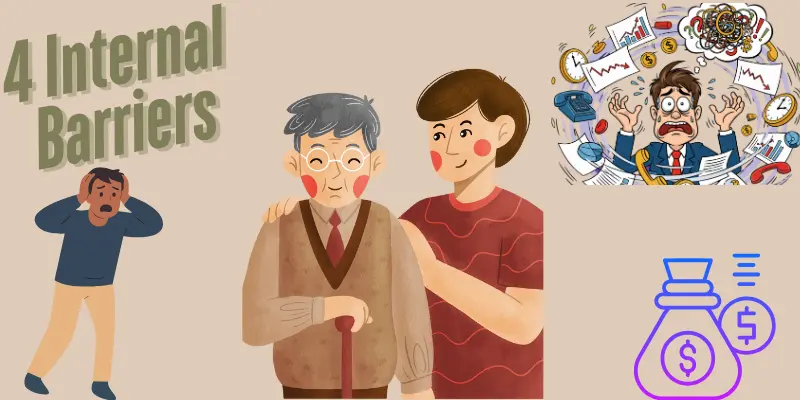
The good news is that these barriers aren’t flaws. They’re understandable responses to risk and change. And they can be loosened.
1. Fear of Failure or the Unknown
Fear doesn’t mean you’re incapable. It means you’re standing at the edge of something unfamiliar. At this stage of life, failure can feel heavier because you’re more aware of the stakes—time, energy, financial security.
Instead of asking, What if this doesn’t work? try asking, What’s the smallest version of this I could test safely? Progress at 50 isn’t about leaps. It’s about controlled experiments that protect your stability while expanding your options.
2. Limiting Beliefs About Age
“I’m too old” is rarely a fact—it’s a story reinforced by culture and comparison. The truth is, age doesn’t erase competence, creativity, or relevance. It often sharpens them.
A helpful reframe is adding one word: yet.
“I don’t know how to do this… yet.”
“I haven’t found my next chapter… yet.”
That small shift opens possibility without denying reality.
3. The Feeling of Having No Time
Between work, caregiving, health management, and family responsibilities, time can feel scarce. But this isn’t always a time problem—it’s an energy and priority problem.
Loosening this barrier doesn’t require dramatic changes. It starts with reclaiming small, protected pockets of time—30 minutes a few times a week—dedicated to you. Not productivity. Exploration.
4. Real-World Constraints (Health, Money, Responsibilities)
These constraints are real, and ignoring them helps no one. But they don’t automatically mean “no.” They mean design around.
Health limitations guide pacing. Financial constraints guide risk level. Responsibilities guide structure. When you treat these realities as inputs—not stop signs—you create plans that are realistic, humane, and sustainable.
Starting over doesn’t require removing every barrier. It requires loosening them just enough to take the next small step forward.
The Mindset Shifts That Make Reinvention Sustainable
Starting over isn’t powered by motivation alone. Motivation comes and goes. What carries you forward—especially after 50—are a few quiet but powerful mindset shifts that make change sustainable rather than exhausting.
The first is an identity shift. Many people feel stuck because they’re trying to build something new while clinging to an old definition of who they are: the job title, the role, the version of themselves that once made sense. Reinvention begins when you allow yourself to become a learner again—not an expert, not a finished product, but a capable beginner. That posture creates room for growth without pressure to get everything right immediately.
The second shift is understanding purpose as something you practice, not something you wait to discover. Purpose doesn’t arrive as a lightning bolt. It’s built through small, meaningful actions taken consistently—helping, creating, contributing, learning. Over time, those actions add up to direction.
Another essential shift is learning to make decisions with your future self in mind. When faced with a choice, ask: What would the 80-year-old version of me thank me for? That question cuts through fear and short-term discomfort and brings clarity to what truly matters.
Finally, there’s the shift toward deliberate gratitude and curiosity. Not forced positivity, but a steady practice of noticing what’s still working and staying open to new experiences—even when they feel awkward or uncomfortable at first. Curiosity keeps you moving. Gratitude keeps you grounded.
These mindset shifts don’t remove uncertainty. They make it manageable. And over time, they create a foundation strong enough to support a second act that actually fits the life you’re living now.
Clearing the Fog: Simple Tools to Regain Control
When life feels uncertain, it’s hard to make good decisions. Not because you’re incapable, but because your mind is overloaded. Before you can design a new chapter, you need space—mental, emotional, and practical—to think clearly again.
Start with mental clarity. Many people at this stage are carrying years of unprocessed thoughts: worries about money, health, family, aging, regret. Getting those thoughts out of your head and onto paper—through simple journaling or note-taking—can be surprisingly stabilizing. You’re not trying to solve everything. You’re trying to see what’s actually there, instead of letting it swirl.
Next, consider a gentle reduction of noise. Constant news, social media, and comparison can amplify fear and urgency. Even a short digital pause—limiting inputs for part of the day—can help you reconnect with your own signals instead of reacting to everyone else’s opinions.
There’s also power in a physical reset. Decluttering a room, a closet, or a workspace often creates momentum far beyond the space itself. Letting go of objects tied to old roles or expectations can quietly signal to your nervous system that change is allowed.
Finally, ground yourself financially—not to make big moves yet, but to reduce uncertainty. Knowing your basic numbers (income, expenses, savings, obligations) restores a sense of agency. Clarity, even when the numbers aren’t perfect, is far less stressful than avoidance.
These tools aren’t about transformation overnight. They’re about calm before direction. When the fog lifts, even slightly, the next step becomes easier to see—and much less intimidating to take.
Designing a Balanced New Chapter After 50
Starting over isn’t just about work or income. A second act that truly works has to support the whole person—your body, your energy, your relationships, and your sense of joy. When one area is ignored, the rest eventually feel the strain.
Begin with physical vitality, not perfection. At this stage of life, the goal isn’t pushing harder—it’s staying strong, mobile, and engaged. Simple strength training, walking, stretching, or movement you actually enjoy can dramatically improve confidence and mood. When your body feels supported, everything else becomes easier to navigate.
Next, make room for joy and growth again. Many people stop trying new things because they don’t want to feel awkward or inexperienced. But allowing yourself to be a beginner—whether in a class, a hobby, or a creative pursuit—rebuilds confidence in a way few other things can. Progress here isn’t measured by mastery, but by engagement.
Relationships also deserve intentional redesign. Partnerships evolve. Friendships shift. Family roles change. Some connections deepen; others naturally fade. Creating a new chapter often means seeking interest-based communities—people you connect with through shared values or activities, not just history. That sense of belonging is a powerful stabilizer during change.

A balanced second act isn’t about fixing everything at once. It’s about aligning your daily life with who you are now. When your body is supported, your curiosity is alive, and your relationships feel nourishing, starting over stops feeling like a crisis—and starts feeling like a choice.
Realistic Paths to Reinventing Yourself After 50 in 2026
When people hear “starting over,” they often imagine drastic moves—quitting a job overnight, moving across the world, or launching a business from scratch. In reality, reinvention at this stage works best when it’s practical, incremental, and aligned with real life.
This is about redesign, not disruption.
Career and Work Redesign
For many, the first question is work. Not necessarily more work—but work that fits better.
A useful starting point is a simple skills and experience audit. Look beyond job titles and focus on what you’ve actually done well over the years: solving problems, managing people, teaching, organizing, advising, creating, or improving systems. These skills often translate well into flexible formats like consulting, freelancing, part-time roles, or project-based work.
In 2026, many people over 50 are choosing flexibility over prestige—work that supports health, caregiving responsibilities, or personal priorities without demanding constant availability.
Lifestyle Reimagination
For others, reinvention is less about career and more about how and where they live. Downsizing, relocating, or simplifying can reduce financial and emotional pressure. Some explore lower-cost or health-oriented locations; others redesign their current environment to better support energy and well-being.
The key is realism. Every lifestyle change has trade-offs. Thoughtful reinvention weighs those honestly rather than romanticizing escape.
Monetizing Your Reinvention (Purpose-First, Pressure-Free)
Many people at this stage discover they want—or need—to generate income in a way that feels meaningful.
This often starts by turning lived experience into value. Mentoring, coaching, consulting, or advising others going through similar transitions can be deeply fulfilling when approached ethically and with appropriate boundaries.
Others explore low-barrier, practical income models—such as reselling, service-based microbusinesses, or online platforms that allow you to work at your own pace. These options aren’t instant fixes, but they can be tested gradually without risking stability.
Some choose to share their journey through writing, video, or teaching—creating content that helps others while opening the door to affiliate income or small digital products over time. What matters most here is authenticity and patience. Trust compounds slowly, but it lasts.
Reinvention doesn’t require choosing the “perfect” path. It requires choosing a livable one—something you can start small, learn from, and adjust as you go.
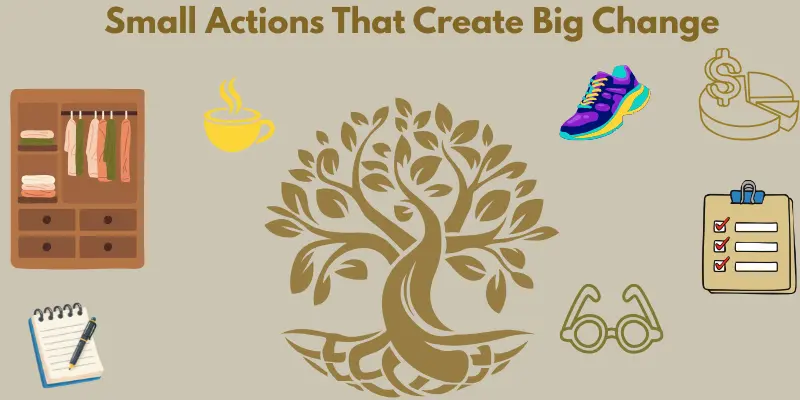
Small Actions That Create Big Change
When life feels uncertain, it’s easy to believe you need a big plan to move forward. In reality, lasting change at this stage of life almost always begins with small, consistent actions—the kind that build confidence without overwhelming your nervous system.
Think of these not as a checklist to complete, but as a menu. Choose one or two that fit your energy and circumstances right now.
Mindset Shifts You Can Practice Daily
- Replace “It’s too late” with “I’m still allowed to choose differently.”
- Start one conversation you’ve been avoiding—with yourself or someone you trust.
- Limit comparison by reducing time spent on platforms that trigger it.
- Ask, “What’s one thing I don’t need to decide today?”
Health and Energy Builders
- Commit to 10–15 minutes of movement most days—nothing extreme.
- Go to bed 30 minutes earlier for one week and notice the difference.
- Schedule one overdue medical or wellness appointment.
- Remove one habit that drains energy rather than trying to add many new ones.
Habits That Restore a Sense of Control
- Block a small weekly “exploration window” just for you.
- Declutter one drawer, shelf, or digital folder.
- Track expenses for a week—not to judge, just to see.
- Write down three things that went right each evening, however small.
Purpose and Work Experiments
- Reach out to one former colleague or acquaintance for a low-pressure conversation.
- List three problems you’ve solved repeatedly over your life.
- Test an idea in the smallest way possible before committing.
- Learn one new skill that supports curiosity or flexibility, not status.
None of these actions will change your life overnight. That’s the point. Small steps rebuild trust with yourself. And once that trust starts to return, bigger decisions stop feeling so intimidating—they start feeling possible.
Real Stories of Reinvention After 50
It’s easy to assume that people who successfully reinvent themselves had some special advantage—more money, better health, fewer responsibilities. In reality, most second acts begin in ordinary, imperfect circumstances, shaped by limits rather than freedom.
Consider the pattern that shows up again and again.
One person loses a long-held job in their mid-50s and initially feels unmoored and embarrassed. What starts as a practical need to generate income becomes an opportunity to use skills they’d been undervaluing for years—organizing, advising, spotting patterns others miss. Progress is slow at first, but steady. Within a couple of years, work feels lighter, more autonomous, and more aligned with how they actually want to live.
Another spends years dealing with chronic health challenges. Plans shrink. Energy is inconsistent. Reinvention doesn’t come from grand ambition, but from routines—simple daily practices that rebuild strength and confidence. Over time, structure replaces chaos, and identity shifts from “surviving” to “participating again.”
Then there are those who choose a lifestyle reset. At 50 or later, they sell or downsize, let go of possessions tied to old expectations, and design life around curiosity rather than accumulation. Travel, slower living, or settling into a place that finally feels like home becomes less about escape and more about alignment.
What these stories share isn’t fearlessness or perfect timing. It’s willingness. Willingness to start without clarity. Willingness to be a beginner. Willingness to define success on their own terms.
Reinvention after 50 rarely looks dramatic from the outside. But from the inside, it often feels like coming back to yourself—one honest step at a time.
Thriving Long-Term in Your Second Act
Starting over is not a single decision—it’s an ongoing practice. The goal isn’t to reach a point where everything is “figured out,” but to build a way of living that can adapt as you do.
One of the most important habits to cultivate is a beginner’s mindset. Stay curious. Stay teachable. The moment you decide you’re “too old” to learn something new is the moment growth begins to stall. Lifelong learning—formal or informal—keeps your mind flexible and your confidence intact.
Equally important is staying connected to purpose, even as it evolves. Purpose doesn’t have to be grand or permanent. It can be seasonal. It might look like meaningful work, creative expression, contribution to others, or simply showing up fully in daily life. What matters is that you feel engaged, not just busy.
Redefining success is also key. In your second act, success is less about external validation and more about internal alignment. Health, energy, relationships, autonomy, and peace of mind often matter more than titles or income alone. That shift is not a loss—it’s a refinement.
Finally, remember that setbacks are part of the process, not evidence that you chose wrong. Course-correcting is a skill. So is patience. When you measure progress by consistency rather than speed, reinvention becomes something you can sustain—not something that burns you out.
A thriving second act isn’t louder or flashier than the first. It’s steadier. And over time, that steadiness becomes its own kind of freedom.
Conclusion: Your Second Act Starts Now
If there’s one thing to take away from everything you’ve read so far, it’s this: starting over in life at 50 is not a dramatic leap—it’s a series of intentional choices made with clarity and self-respect.
You don’t need to erase your past or reinvent yourself overnight. The years behind you have already done important work. They’ve taught you what matters, what drains you, and what you’re no longer willing to ignore. That wisdom is not baggage—it’s your strongest asset.
What matters now is momentum, not perfection. One honest conversation. One small experiment. One habit that supports your energy instead of depleting it. These steps may feel modest, but they compound quickly when they’re aligned with who you are today.
So here’s a simple challenge: What is one small step you can take this week that your future self will thank you for? Write it down. Commit to it. Let that be enough for now.
If you’d like support as you take that first step, the free Phoenix Second Act Toolkit was created to walk alongside you—offering practical worksheets, gentle structure, and encouragement as you begin this next chapter. It’s there when you’re ready.
Your second act doesn’t begin someday.
It begins the moment you decide to move forward—one intentional step at a time.
Frequently Asked Questions: Starting Over in Life at 50
1. Is starting over in life at 50 actually realistic, or is this just motivational talk?
It’s realistic—but only when it’s approached correctly. Starting over at 50 is rarely about radical overnight change. It’s about redesigning your life using experience, not ambition alone. People in their 50s tend to make better decisions because they understand risk, limits, and priorities more clearly. The key is small, intentional steps that fit your health, finances, and responsibilities—not chasing someone else’s version of success.
2. What if I feel like I wasted my best years and it really is too late?
This fear is extremely common—and deeply human. But it’s also misleading. The years behind you weren’t wasted; they produced skills, judgment, and self-knowledge you couldn’t have gained any other way. What usually hurts isn’t the past itself, but staying stuck in a future that no longer fits. Reinvention at 50 isn’t about reclaiming youth—it’s about using wisdom to make better choices now.
3. How do I start over at 50 if I don’t have much money or energy?
You don’t start with big moves—you start with stability and clarity. That means:
- Knowing your basic financial numbers (even if they’re uncomfortable)
- Protecting your energy before chasing new goals
- Testing ideas in low-risk, low-cost ways
Many successful second acts begin not with passion, but with practical adjustments that reduce stress and create breathing room.
4. Do I need to change careers to truly start over at 50?
No. Starting over doesn’t automatically mean a new career. Sometimes it means:
- Changing how you work, not what you do
- Reducing hours or responsibility
- Shifting into consulting, mentoring, or project-based work
A second act often comes from reframing your existing experience, not abandoning it.
5. What’s the biggest mistake people make when trying to reinvent themselves after 50?
The biggest mistake is trying to fix everything at once. That leads to overwhelm, regret, and quitting. Sustainable reinvention works in stages:
- Calm the chaos
- Regain clarity
- Experiment gently
- Adjust based on reality
People who succeed don’t rush—they iterate.
6. How do I know what my “purpose” is at this stage of life?
Purpose usually isn’t discovered—it’s built through action. Start by paying attention to:
- What gives you energy instead of draining it
- Problems you naturally want to help solve
- Activities that make time pass quickly
Purpose grows when you consistently engage with what feels meaningful now, not when you wait for a perfect answer.
7. What is one small step I can take this week to start over without feeling overwhelmed?
Choose one area, not your whole life. Then do one of these:
- Have an honest conversation you’ve been avoiding
- Block 30 minutes to explore a new idea—no commitment
- Write down what you want less of before deciding what you want more of
Momentum comes from action that feels safe enough to repeat.

Positional Power vs Personal Power: Can Machiavelli and Modern Leaders Coexist in 2026?




- Be Respectful
- Stay Relevant
- Stay Positive
- True Feedback
- Encourage Discussion
- Avoid Spamming
- No Fake News
- Don't Copy-Paste
- No Personal Attacks
- Be Respectful
- Stay Relevant
- Stay Positive
- True Feedback
- Encourage Discussion
- Avoid Spamming
- No Fake News
- Don't Copy-Paste
- No Personal Attacks
