How to Feel Better When Sad: 51 Powerful Ways to Feel Better Fast (Even When It Hits for No Reason)
Published: 07/03/2026
“You’re not broken — feeling sad is normal, even when it hits out of nowhere.”
Sadness can feel overwhelming, especially when it hits unexpectedly and without explanation. Whether it’s triggered by stress, a difficult memory, or something else, it can take over your mind and body, leaving you feeling drained, lost, or stuck. But here’s the thing: you’re not alone.
Feeling sad isn’t a flaw or something to be ashamed of. It’s a normal human emotion that everyone experiences, sometimes without a clear reason. The good news? You don’t have to stay stuck in it.
In this guide, we’ll explore 51 powerful, science-backed ways to feel better, fast. You’ll find practical, actionable steps that don’t rely on “just thinking positive” or “cheering up.” From quick fixes like a 10-minute walk to deep emotional tools that allow you to process your feelings, this post is designed to meet you where you are.
We’ll cover:
- Instant relief to help you feel better within minutes,
- An understanding of why sadness happens and how to cope with it,
- When and how to get additional help if needed.
Don’t wait for sadness to pass on its own — let’s take action together. These 51 tips will help you start feeling better right now, and they’re here for you whenever you need them.
Feeling Sad for No Reason? It’s More Normal Than You Think
“Feeling sad with no clear reason can be unsettling, but it’s more common than you might think. Sometimes, our emotions don’t have a simple cause. This can happen due to underlying factors like stress, hormonal changes, or even a lack of sleep. In fact, many of us experience bouts of unexplained sadness at some point in our lives — and it’s okay. What you’re feeling is real, and it doesn’t mean you’re broken or weak.
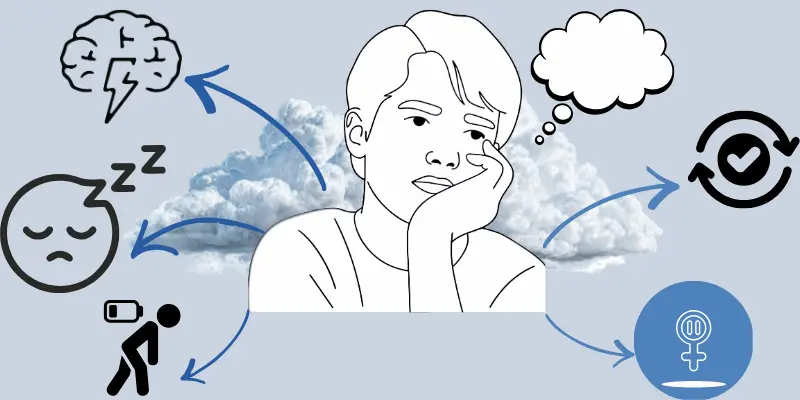
While we often try to pinpoint a single cause for our sadness, sometimes the reasons are more complicated. Physical factors such as exhaustion, poor diet, or even the changing seasons can all affect our emotional state. You might not be able to connect the dots immediately, but that doesn’t make your feelings any less valid.”
Key Takeaway:
“It’s not unusual to feel sad without a clear reason — and it’s okay to experience emotions that don’t have an obvious explanation.”
Sadness Is Your Body’s Way of Saying “Something Needs Attention”
“Sadness isn’t an enemy; it’s your body’s way of signaling that something needs attention. Much like physical pain, emotional pain — like sadness — serves a purpose. It might be reminding you to slow down, take care of yourself, or address something that’s been overlooked. Instead of seeing sadness as a negative emotion to suppress, try to view it as a helpful message. It’s an invitation to pause and reflect on what might be going on beneath the surface.
Our brains are wired to process and respond to emotions, and sadness is often a call for change or a moment of reflection. Perhaps you’ve been overwhelmed, neglecting your needs, or facing stress without fully addressing it. This emotional signal invites you to reflect, identify what needs to be nurtured, and begin taking small steps toward feeling better.”
Key Takeaway:
“Sadness is not a weakness. It’s a signal that something needs your attention — and it’s your body’s way of asking for care and compassion.”
Let me know if you’d like to adjust anything here or if we should proceed to the next section!
How to Stop Feeling Sad in the Next 10 Minutes
“Sometimes, all we need is a quick emotional reset. These small, physical shifts can help you break the cycle of sadness and lift your mood in just 10 minutes or less. The beauty of these actions is that they’re simple and accessible — no major effort or time commitment required. Let’s dive into some of the most effective strategies that you can use immediately:
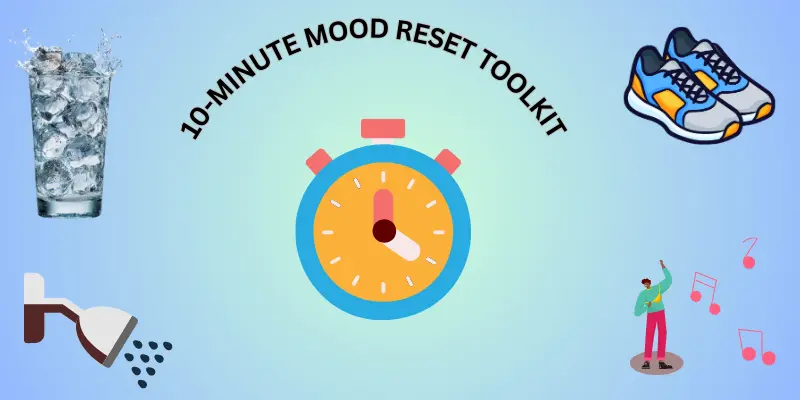
- Take a 10-minute walk – Studies show that even a short walk outside can stimulate your brain and improve your mood, thanks to the release of endorphins, your body’s natural feel-good chemicals.
- Drink a glass of water – Dehydration can contribute to feelings of fatigue and irritability. Rehydrating helps reset your energy and mood.
- Dance it out – Put on your favorite song and move your body. Dance is not only fun but has been shown to release stress and boost mood.
- Step into a warm shower – The warmth from the water can help relax your muscles and calm your mind, providing immediate comfort.
- Enjoy a small piece of chocolate – Dark chocolate contains compounds that can boost serotonin and endorphins, which are associated with happiness.
Even though these are quick fixes, they can have a surprisingly lasting effect on your emotional state, especially when combined with mindfulness.”
Key Takeaway:
“Small actions, like walking or drinking water, can give you an instant emotional boost. Sometimes, a quick physical shift is all it takes to start feeling better.”
10-Minute Walk = Antidepressant-Level Boost (Science-Backed)
“Can a 10-minute walk really have the same benefits as antidepressants? The research suggests it can. Studies show that even short bursts of exercise can have a profound effect on mental health. A walk outside, especially in nature, has been proven to reduce anxiety and depression, improve cognitive function, and boost overall mood. The simple act of walking gets your blood flowing, enhances oxygen delivery to the brain, and stimulates the production of endorphins.
This isn’t just about physical exercise; it’s about mental restoration. When you step outside and move your body, you’re giving your mind a break from negative thought patterns and activating a different part of your brain responsible for positive thinking.
Real-life Tip: Many people who struggle with sadness report that a brief walk in a quiet park or around their neighborhood is enough to start shifting their mood. It’s easy to overlook, but it’s often the small steps that make the biggest difference.”
Key Takeaway:
“A 10-minute walk is a simple, effective tool for boosting your mood, thanks to the power of endorphins and a change in environment.”
Hot Shower, Scented Candles & Nostalgic Movies: Why They Actually Work
“When you’re feeling down, it’s often the simplest comforts that can provide the most relief. Sensory tools like hot showers, scented candles, and nostalgic movies are more than just temporary distractions — they can actually help reset your emotional state. Let’s break down why these comfort practices are effective:
- Hot Shower: The warmth of the water helps relax your muscles, reduce tension, and promote feelings of safety and comfort. The soothing nature of a shower has been linked to lowering stress hormones like cortisol, which can contribute to feelings of sadness. The act of cleansing also symbolizes letting go, which can provide emotional relief.
- Scented Candles: Certain scents, such as lavender or chamomile, are known to have calming effects on the nervous system. Studies show that aromatherapy can help reduce anxiety and improve mood. Lighting a scented candle can create a peaceful atmosphere that invites relaxation and emotional ease.
- Nostalgic Movies: Watching a favorite childhood movie or a comforting film from the past can create a sense of familiarity and safety. These movies often bring us back to a simpler time when we felt more secure. The emotional connection to these films can offer a momentary escape from the present sadness and transport you to a place of comfort.
Key Takeaway:
“Self-care activities like hot showers, scented candles, and nostalgic films aren’t just indulgences — they offer real emotional benefits by soothing the body and mind.”
Comfort Foods and Textures: The Healing Power of Familiar Sensory Experiences
“Comfort isn’t just about what we see or smell — it’s also about what we taste and feel. When you’re feeling sad, reaching for a familiar food or a soft texture can help ground you and provide emotional comfort. Here are a few ways sensory experiences can reset your emotions:
- Comfort Foods: There’s a reason we often turn to our favorite childhood foods when we’re upset. Foods like soup, mashed potatoes, or a warm cup of tea evoke feelings of safety and warmth. Eating these foods triggers memories of comfort and care, which helps bring us emotional peace in times of stress.
- Soft Textures: Whether it’s wrapping yourself in a soft blanket, hugging a stuffed animal, or even touching a smooth fabric, certain textures can be deeply comforting. They activate the brain’s reward system, triggering feelings of calm and contentment. The act of physically touching something soothing can be a grounding experience, especially when emotions feel overwhelming.
- Real-Life Tip: People on Reddit often share how cuddling up with a favorite blanket or hoodie brings them an immediate sense of calm when sadness strikes. The familiar sensation creates a feeling of emotional safety and security.
Key Takeaway:
“Indulging in comfort foods and soft textures can trigger positive memories and soothe your mind, helping you feel more emotionally secure.”
Give Yourself Permission to Cry – It’s Healthy, Not Weak
“Many people hold back tears, thinking that crying makes them weak. But in reality, crying is one of the most natural and therapeutic ways our bodies release pent-up emotions. Crying is not a sign of weakness — it’s a sign of being human.
Emotional tears contain stress hormones and toxins, which are released from the body during crying. This process helps to physically reduce the emotional burden you’re carrying, providing a form of emotional release and relief. When we allow ourselves to cry, we’re giving our body the opportunity to heal emotionally. It’s okay to let it out. By embracing your emotions rather than suppressing them, you allow yourself the freedom to process and move forward.
Key Takeaway:
“Crying is not a weakness; it’s a healthy release of emotions that can help you feel lighter and more at peace.”
Journaling & Meditation: How to Understand What’s Really Going On
“When sadness lingers, it can often feel like a fog that you can’t quite make sense of. This is where journaling and meditation can help. These practices allow you to slow down, reflect, and understand your emotions on a deeper level.
- Journaling: Writing down your thoughts can help clarify why you’re feeling sad. It’s a tool for introspection, helping you identify patterns, triggers, or specific events that might have contributed to your emotional state. If you’re unsure where to start, try writing down how you feel in the present moment, without any judgment. Once you get your emotions out on paper, you’ll likely gain new insights and a clearer understanding of what’s happening inside.
- Meditation: Mindfulness meditation is another powerful tool for processing emotions. Taking even five minutes to sit quietly, focus on your breath, and let your thoughts come and go without attachment can help you center yourself. Meditation helps bring awareness to your feelings and allows you to experience them without being overwhelmed by them. Over time, meditation can also help you build resilience to sadness and reduce the intensity of negative emotions.
Real-Life Tip: Many people find that journaling first thing in the morning or before bed helps them process emotions in a gentle, reflective way. Pairing this with a short meditation session can create a calming ritual that helps clear emotional clutter.
Key Takeaway:
“Journaling and meditation are powerful tools to help you understand and process your sadness. These practices offer clarity, emotional relief, and a sense of peace.”
Create for the Sake of Creating (Draw, Bake, Craft – Just for You)
“Sometimes, the best way to process emotions is through creative expression. You don’t need to be an artist or a baker to benefit from creative activities. Engaging in something creative — whether it’s drawing, knitting, baking, or any other hobby — allows you to express your emotions in a non-verbal way. Creativity can act as a form of self-care, giving you a way to release tension and distraction from negative thoughts.
Creating something just for yourself, with no pressure or expectation of perfection, can also build a sense of accomplishment and joy. It’s not about creating a masterpiece — it’s about expressing what’s inside and using the act of creation as a form of emotional release.
Key Takeaway:
“Engaging in creative activities without the pressure of perfection can help you release emotions, express yourself, and find joy in the process.”
Sad After Breakup? It’s Biological – Your Brain Is Rewiring
“Heartbreak isn’t just an emotional experience — it’s also a biological one. When you experience a breakup, your brain undergoes a rewiring process that can be as intense as recovering from physical pain. This is why the sadness after a breakup can feel all-consuming.
During a relationship, your brain releases feel-good chemicals like dopamine, oxytocin, and serotonin. When that connection is severed, your brain is suddenly deprived of these ‘happy’ chemicals, which causes withdrawal-like symptoms. This dopamine withdrawal can lead to feelings of sadness, emptiness, and even anxiety. It’s important to recognize that this emotional pain is not a reflection of your worth — it’s a natural consequence of your body adjusting to the absence of someone who once triggered your brain’s reward system.
It can take anywhere from three to twelve months for the brain to fully recalibrate after a breakup. But understanding this biological process can help you feel less like something is “wrong” with you and more like you’re simply healing from an emotional injury.”
Key Takeaway:
“Heartbreak triggers a biological process that your brain has to recover from. It’s normal to feel intense sadness, and it’s okay to give yourself the time and space to heal.”
How to Heal Heartbreak Without Rushing Yourself
“Healing after a breakup is a journey, and it’s one that can’t be rushed. While it’s tempting to try and “move on” quickly, this often leads to emotional burnout and deeper unresolved pain. Here are some strategies to help you heal in a way that’s kind and respectful to yourself:
- Allow Yourself to Grieve: Grieving after a breakup is essential for healing. Don’t suppress your feelings or try to “stay strong” in the face of sadness. Cry when you need to, and don’t feel guilty for grieving. The emotional pain of a breakup is a necessary part of healing.
- Create Space for Self-Compassion: Be kind to yourself during this time. It’s okay to feel vulnerable, and it’s okay to need time to heal. Avoid putting pressure on yourself to “move on” quickly or distract yourself from the pain. Healing doesn’t happen on a strict timeline, so allow yourself the grace to heal at your own pace.
- Create New Routines: After a breakup, your daily life may feel disoriented. Creating new routines can help you regain a sense of control. Whether it’s starting a new hobby, taking a class, or simply re-organizing your home, small changes can help you rediscover joy and create new memories.
- Limit Contact with Your Ex: It’s hard to heal if you’re constantly seeing reminders of the person who’s no longer in your life. Consider taking a break from communicating with your ex, at least temporarily. This doesn’t mean cutting them out permanently, but it can provide you the emotional space you need to heal.
Real-Life Tip: Many people find comfort in reflecting on their relationship, but they also need to focus on themselves during the healing process. Try journaling or meditating about your feelings instead of reaching out to your ex too soon. Give yourself the space to process and heal.
Key Takeaway:
“Healing from a breakup is not about rushing through the pain — it’s about embracing the process, creating space for yourself, and allowing your heart time to heal.”
Signs of Depression: When to Seek Help
“Sadness is a normal part of life, but sometimes it can evolve into something more serious, like depression. It’s important to recognize when sadness crosses the line into something that might need professional support. If you’re experiencing any of the following signs, it may be time to seek help:
Persistent Low Mood: If your sadness lasts for more than two weeks and doesn’t seem to improve, it may be a sign of depression. This is especially true if the sadness is pervasive, affecting multiple aspects of your life.
- Loss of Interest: A hallmark of depression is the loss of interest in activities you once enjoyed. If you find yourself no longer interested in things that normally bring you joy — like hobbies, socializing, or even self-care — it could be a sign that your sadness has deepened.
- Physical Symptoms: Depression can manifest as physical symptoms, such as changes in appetite, difficulty sleeping (or oversleeping), and fatigue. If you find that you’re feeling exhausted or experiencing physical discomfort without a clear cause, it’s important to pay attention.
- Feelings of Hopelessness or Worthlessness: Persistent feelings of hopelessness or worthlessness are red flags. If you’re constantly telling yourself that things will never get better or that you don’t deserve happiness, it might be time to reach out for support.
- Thoughts of Self-Harm or Suicide: If you’re having thoughts of harming yourself or ending your life, please seek help immediately. These are serious signs that require professional intervention. Reach out to a therapist, a trusted friend or family member, or a crisis helpline.
Key Takeaway:
“While sadness is normal, prolonged or intense symptoms could be signs of depression. If you’re experiencing any of these red flags, it’s important to seek help.”
Free & Accessible Support (NHS, Audio Guides, Peer Groups)
“If you recognize any of the symptoms of depression or feel overwhelmed, there are many free and accessible resources available to help you. Seeking help is a sign of strength, not weakness. Here are a few resources you can turn to:
- National Health Service (NHS): In many countries, services like the NHS offer free mental health resources, including counseling, therapy, and support groups. If you’re in the UK, you can visit the NHS website to find information on mental health services available to you.
- Audio Guides & Mindfulness Apps: If you’re not ready to speak to a professional yet, there are many apps and audio guides that can offer support. Apps like Headspace, Calm, or Insight Timer offer guided meditations, breathing exercises, and mindfulness techniques that can help you manage your emotions on a day-to-day basis.
- Peer Support Groups: Sometimes, connecting with others who are going through similar experiences can help reduce feelings of isolation. Online peer support groups or community forums can be an excellent way to share your feelings in a safe, anonymous space. Websites like 7 Cups or local community groups offer a place to talk with someone who understands what you’re going through.
- Real-Life Tip: Many people find that starting with a self-help app or joining an online support group helps them feel less alone as they begin their healing journey. These resources can serve as a gentle introduction to professional help if you’re not quite ready for therapy yet.
Key Takeaway:
“There are many free and accessible resources to help you manage sadness or depression. Reaching out for support can help you begin to feel better and understand your emotions.”
How to Cultivate Intentional Joy (Even on Hard Days)
“While it’s natural to experience lows, building long-term resilience can help you bounce back more quickly and even find moments of joy amidst the struggle. Cultivating intentional joy doesn’t mean you have to be happy all the time, but it involves making room for small, positive moments in your daily life. Here are some ways to nurture long-term happiness:
- Create a Gratitude Practice: Start and end your day by listing three things you’re grateful for. They don’t have to be big — even small moments like a warm cup of coffee or a kind gesture from a friend can make a difference. Practicing gratitude helps shift your focus from what’s lacking to what’s abundant in your life.
- Prioritize Connection: Spending time with people who uplift you is crucial for maintaining emotional health. Even when you’re feeling low, try to reach out to a friend, family member, or loved one. Socializing, even briefly, can offer a positive distraction and remind you that you’re not alone in your feelings.
- Invest in Self-Care: Resilience is also built through regular self-care. This could be physical care (like exercise or eating well), emotional care (like setting boundaries or journaling), or mental care (like meditation or hobbies that bring you peace). By making self-care a routine part of your life, you can strengthen your ability to cope with sadness when it arises.
- Set Small, Achievable Goals: When we’re sad, it can feel like everything is too much. Start by setting small, achievable goals for yourself, like going for a 5-minute walk, cooking a healthy meal, or spending 10 minutes in nature. Achieving these small goals gives you a sense of accomplishment and builds momentum toward more significant wins.
Key Takeaway:
“Intentional joy doesn’t require constant happiness. By incorporating small moments of gratitude, connection, and self-care into your daily routine, you can cultivate resilience and find joy even on hard days.”
Avoid These Common Mistakes (Alcohol, Isolation, Toxic Positivity)
“While it’s tempting to turn to certain coping mechanisms when you’re feeling sad, some of them can actually prolong or worsen the sadness. Here are a few common pitfalls to avoid:
- Using Alcohol to Cope: While alcohol might numb your feelings in the short term, it can actually exacerbate depression and anxiety in the long run. Drinking as a way to escape emotions prevents you from processing them and can leave you feeling worse once the effects wear off. Instead of turning to alcohol, focus on healthier coping strategies like deep breathing, exercise, or talking to a friend.
- Isolation: It’s easy to withdraw when you’re feeling sad, but isolation can reinforce negative emotions and make the sadness feel more intense. Try to make small efforts to stay connected to others, whether it’s through a short phone call, text, or even social media. Social support is key to emotional healing and resilience.
- Toxic Positivity: The idea that you should always look on the bright side, no matter what, can invalidate your emotions and hinder your healing process. Instead of forcing yourself to “just think positive,” allow yourself to feel your sadness and acknowledge that it’s a normal, human experience. Only then can you start to make positive changes.
Key Takeaway:
“Avoid common mistakes like turning to alcohol, isolating yourself, or succumbing to toxic positivity. These can prolong your sadness and delay healing. Focus on strategies that allow you to process emotions in a healthy way.”
Conclusion + Final CTA
Sadness is an emotion we all experience from time to time, and it’s completely normal to feel this way. Whether your sadness comes out of nowhere or is linked to a specific event, it’s important to remember that you’re not alone. Many people face moments of deep sadness, but it’s also true that these moments are temporary. Your feelings are valid, and with the right tools, you can start feeling better.
By now, you have 51 gentle, science-backed steps to help you cope with sadness — from quick relief methods to deeper emotional processing and long-term strategies for building resilience. These tools are meant to empower you, to let you know that you have the ability to take small steps toward feeling better, even when it feels overwhelming.
Key Takeaway:
“You are not alone, and this feeling will pass. You have the tools to start feeling better.”
Strong CTA: “Pick one thing from this list today. Bookmark this page for next time.”
“Don’t feel like you have to tackle everything at once. Pick one thing from this list today — whether it’s going for a walk, journaling for five minutes, or reaching out to a friend. Start small, and see how it makes you feel. You don’t have to “fix” everything right away — healing is a process, and every small step counts.
We’re here to remind you that it’s okay to take it one step at a time. If you ever feel like you need more support, come back to this page, bookmark it, and revisit the tools that resonate most with you. You have everything you need to cope with sadness and find a path toward healing. Take it one step at a time — you’re doing great.”
“Bookmark this page for those moments when you need a little extra help. And remember, you’re not alone on this journey.”
Frequently Asked Questions About Feeling Sad and How to Feel Better
1. What is the difference between sadness and depression?
Answer:
Sadness is a normal emotional response to difficult situations, like loss, disappointment, or stress. It tends to come and go and usually improves with time or a change in circumstances. On the other hand, depression is more persistent and can last for weeks, months, or even years. It affects not only your mood but also your ability to function daily — it can impact your sleep, appetite, and energy levels. If your sadness is lasting more than two weeks or interfering with your ability to go about daily life, it might be a sign of depression. It’s important to seek professional help if this is the case.
2. Why do I feel sad for no reason?
Answer:
Feeling sad without a clear reason is more common than you might think. It could be due to a number of hidden factors like lack of sleep, hormonal changes, stress, or even poor nutrition. Sometimes, our brains need time to process accumulated emotions, even when we don’t realize it. It’s also possible that underlying triggers, like small stresses or unprocessed feelings, are affecting your mood. If this feeling persists or starts to affect your well-being, it’s important to check in with yourself and consider lifestyle changes or seek professional guidance.
3. How can I feel better when I’m sad but don’t have the energy to do anything?
Answer:
When sadness feels overwhelming, it can be hard to summon the energy to take action. Start with something simple and low-effort. Drink a glass of water, take a few deep breaths, or step outside for some fresh air. Even small actions can help shift your mood. If you’re able, try taking a 10-minute walk or sitting in a quiet space. Sometimes, the first small step is enough to break the emotional freeze and get you feeling a little more like yourself. Be kind to yourself, and don’t pressure yourself to “fix” the sadness right away.
4. Is it normal to feel sad after a breakup, and how long will it last?
Answer:
Yes, feeling sad after a breakup is completely normal. When a relationship ends, your brain and body have to go through a period of adjustment. The sadness you’re feeling is often a result of both emotional pain and biological processes, like the withdrawal from the “feel-good” chemicals your brain was used to during the relationship. Healing after a breakup is different for everyone, but it usually takes anywhere from three to twelve months to fully heal. It’s important to give yourself time and space to grieve, and try not to rush the process.
5. How can I tell if my sadness is a sign that I need professional help?
Answer:
It’s normal to feel sad from time to time, but if your sadness lasts more than two weeks, impacts your ability to function, or comes with feelings of hopelessness, worthlessness, or self-harm, it might be time to seek professional help. If you’re feeling overwhelmed by your emotions, unable to find joy in anything, or experiencing physical symptoms like difficulty sleeping or changes in appetite, consider reaching out to a therapist or counselor. Seeking help is a sign of strength and an important step toward feeling better.
6. What are the best things I can do for myself when I’m feeling really low?
Answer:
When you’re feeling really low, the most important thing is to be gentle with yourself. Start by acknowledging your feelings and accepting that it’s okay to feel sad. Some actions that can help improve your mood include:
- Taking a walk outside: Even a short walk can help improve your mood by releasing endorphins.
- Practicing mindfulness or deep breathing: This can help reduce stress and bring you back to the present moment.
- Talking to someone you trust: Sometimes sharing how you feel with a friend or loved one can lighten your emotional load.
- Engaging in a small creative project: Doing something like journaling, drawing, or cooking can be a great way to express your feelings and distract your mind in a healthy way.
Remember, there’s no “quick fix.” Focus on taking small steps toward healing and being kind to yourself along the way.
7. How do I stop feeling sad when it’s affecting my daily life?
Answer:
When sadness starts affecting your daily life, it’s important to take action to improve your emotional health. First, check in with your routine — are you getting enough sleep, eating well, and staying physically active? Small changes in these areas can have a big impact on your mood. It’s also important to connect with others. Isolation can make sadness feel worse, so try reaching out to a friend, family member, or support group. If you’ve already tried these strategies and the sadness persists, it may be time to talk to a professional who can help guide you through coping strategies and treatment options.

Master Patience in 2026: The 4-Step Blueprint for Reducing Stress, Building Resilience, and Achieving Long-Term Success





- Be Respectful
- Stay Relevant
- Stay Positive
- True Feedback
- Encourage Discussion
- Avoid Spamming
- No Fake News
- Don't Copy-Paste
- No Personal Attacks
- Be Respectful
- Stay Relevant
- Stay Positive
- True Feedback
- Encourage Discussion
- Avoid Spamming
- No Fake News
- Don't Copy-Paste
- No Personal Attacks
